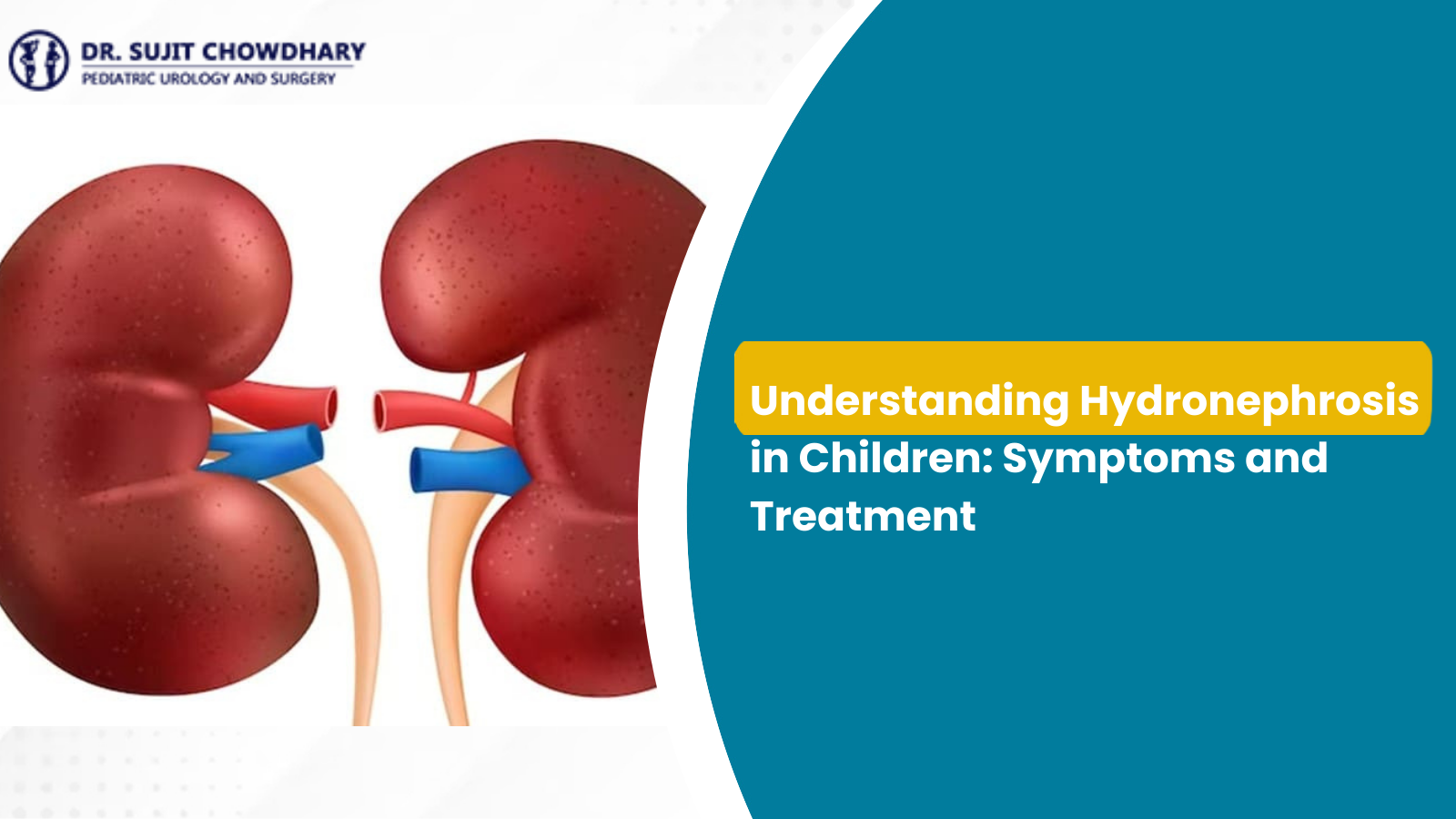
التعامل مع تشخيص استسقاء الكلى لدى طفلك يمكن أن يكون أمرا مزعجا للغاية. الكلمة نفسها—الكلية المنتفخة—تبدو مقلقة. الاستسقاء الكلى يعني ببساطة أن نظام تصريف الكلى يتمدد أو يتمدد بسبب تراكم البول. ليس مرضا بحد ذاته، بل علامة على وجود مشكلة في تدفق البول.
أكثر سؤال شائع يطرحه الآباء هو: "ما الذي يسبب الاستسقاء الكلى لدى الأطفال؟" الخبر السار هو أن استسقاء الكلى لدى الأطفال غالبا ما يكون خفيفا ويزول من تلقاء نفسه. ومع ذلك، في الحالات الأكثر شدة، يشير ذلك إلى انسداد خطير أو ارتداد تدفق يتطلب رعاية متخصصة لحماية صحة الطفل الكلى على المدى الطويل.
سيرشدك هذا الدليل الشامل عبر الأسباب والأعراض والتشخيص المتقدم ومسارات العلاج المتاحة اليوم، بما في ذلك الرعاية المتخصصة مثل علاج استسقاء الكلى في الهند الذي يقدمه أخصائيون مثل: الدكتور سوجيت شودري .
ما الذي يسبب استسقاء الكلوية لدى الأطفال؟
يحدث استسقاء الكلية عندما يتم انسداد تدفق البول من الكلى أو عندما يتدفق البول للخلف (ارتجاع) من المثانة إلى الكلية. بالنسبة للأطفال، غالبا ما تكون الأسباب هي الشذوذات الخلقية (الموجودة عند الولادة) أو مشاكل في التطور الهيكلي.
A. الأسباب الرئيسية للانسداد (الانسدادات)
تمنع هذه الانسدادات فعليا تصريف البول بشكل طبيعي من الكلية إلى المثانة.
- انسداد تقاطع اليوريتروبلفيك (UPJ): هذا هو السبب الأكثر شيوعا للاستسقاء الكلى الكبير. إنه انسداد في النقطة التي تلتقي فيها الكلية بالحارب (الأنبوب الذي يربط الكلية بالمثانة). هذا التضيق الخلقي يمكن أن يعيق قدرة الكلية على "دفع" البول للأسفل، مما يسبب تورم الحوض الكلوي بشكل كبير.
- انسداد الوصلة الحالبية (UVJ): يحدث هذا الانسداد في المناطق السفلى، حيث يدخل الحالب المثانة. هو أقل شيوعا من انسداد UPJ لكنه له نفس التأثير: البول يرتد إلى الحاب والكلى.
- صمامات الإحليل الخلفية (PUV): هذه الحالة تصيب الأولاد فقط وهي واحدة من أخطر أسباب استسقاء الكلية الثنائية (كلتيهما). يتضمن ذلك نسيج غير طبيعي يشبه الرفرفة داخل الإحليل (الأنبوب الذي ينقل البول خارج الجسم). تمنع هذه الصمامات خروج البول من المثانة، مما يسبب ضغطا شديدا يوسع المثانة والحالب والكلى. تتطلب PUV اهتماما فوريا وخبيرا من جراح مسالك بولية للأطفال في دلهي.
- الحلاب الحلبي: هذا هو انتفاخ أو انتفاخ في الطرف السفلي من الحالب عند دخوله المثانة. يمكن لهذا الانتفاخ أن يعيق تدفق البول من الكلى أو حتى يسد مخرج المثانة.
B. سبب الارتداد (التدفق العكسي)
هذه مشكلة وظيفية حيث لا يتدفق البول في اتجاه واحد بل يجبر على العودة نحو الكلية.
- ارتجاع الحليلة الحيلية (VUR): وهذا هو السبب الثاني الأكثر شيوعا، حيث يكون آلية الصمام أحادي الاتجاه عند نقطة التقاء الحالب والمثانة معيبة. عندما تنقبض المثانة لدفع البول للخارج (مما يؤدي إلى التفريغ)، يفشل الصمام، ويعود البول إلى الحالب ويدخل الكلية. يسبب VUR نفسه استسقاء الكلى ويزيد بشكل كبير من خطر الإصابة بعدوى المسالك البولية عالية الدرجة (التهاب الحوضة البالية)، والتي قد تسبب ندبا دائما في الكلى.
ج. استسقاء الكلى العابر/مجهول السبب
من المهم ملاحظة أن نسبة كبيرة (غالبا أكثر من 50٪) من الحالات التي تم اكتشافها قبل الولادة تكون خفيفة ومؤقتة. غالبا ما يكون ذلك بسبب أن المسالك البولية للجنين تستغرق وقتا للنضوج أو أن يكون ذلك بسبب وضعية الطفل في الرحم. عادة ما تختفي هذه الحالات تلقائيا قبل الولادة أو بعدها بفترة قصيرة ونادرا ما تتطلب أي تدخل يتجاوز الملاحظة.
التعرف على الأعراض لدى الأطفال
أحد الجوانب الصعبة في استسقاء الكلوية هو أن حديثي الولادة والرضع الذين يعانون من حالات خفيفة أو متوسطة غالبا ما لا تظهر عليهم أعراض ملحوظة على الإطلاق. لهذا السبب يعد فحص الموجات فوق الصوتية قبل الولادة أمرا بالغ الأهمية—فهو يشخص الحالة قبل ظهور الأعراض.
ومع ذلك، في الأطفال الأكبر سنا أو في الحالات الأكثر شدة، تظهر الأعراض غالبا مرتبطة بالألم أو العدوى:
| الفئة | عَرَض | السبب الأساسي |
| الألم | ألم البطن أو الجانب: ألم مستمر أو ألم حاد في الجانب أو الظهر أو البطن. | تورم وتمدد كبسولة الكلى بسبب ضغط البول. |
| العدوى | الحمى والقشعريرة: حمى شديدة غير مبررة، غالبا ما تكون العلامة الوحيدة على التهاب المسالك البولية عند الرضع. | تجمع البول في الكلى (السبات) يوفر بيئة خصبة للبكتيريا. |
| القيء والغثيان: خصوصا إذا كان مصحوبا بحمى أو ألم. | مرض جهازي ناتج عن عدوى كلوية (التهاب الحوضاء الكلوية) أو ألم شديد. | |
| بول غائم، ذو رائحة كريهة، أو دمو: علامات مباشرة على عدوى المسالك البولية (التهاب المسالك البولية). | وجود بكتيريا أو صديد أو خلايا دم في البول. | |
| التبول | صعوبة أو آلام التبول: الجهد أو البكاء أثناء التبول. | عادة ما يكون علامة على انسداد في المجرى السفلي، مثل صمامات الإحليل الخلفية (PUV). |
التشخيص والمراقبة: نهج طبيب المسالك البولية
بمجرد الاشتباه في الإصابة بالاستسقاء الكلى (سواء من خلال الفحص قبل الولادة أو بعد التهاب المسالك البولية بعد الولادة)، يستخدم أخصائي، مثل الدكتور سوجيت شوداري، نهجا تشخيصيا منظما لتحديد السبب وشدة السبب.
أ. التصوير الأولي والتقييم
- الموجات فوق الصوتية الكلوية بعد الولادة: هذا هو أول وأهم اختبار بعد الولادة. يؤكد وجود استسقاء الكلى ويستخدم لتقييم شدته (عادة من الدرجة 1 إلى 4 أو وفقا لنظام جمعية المسالك البولية الجنينية (SFU). درجة التوسع تساعد في التنبؤ باحتمالية اختفاء الحالة تلقائيا بدلا من الحاجة إلى تدخل.
ب. تعريف السبب
- تفريغ الكيسات (VCUG): تعد هذه الدراسة المتخصصة بالأشعة السينية ضرورية لتشخيص ارتجاع الحبل الويليزي (VUR) وصمامات الإحليل الخلفية (PUV). يتم وضع قسطرة صغيرة في المثانة، ويتم حقن صبغة خاصة، ويتم التقاط صور بالأشعة السينية أثناء امتلاء المثانة وأثناء تبول الطفل. إذا تدفق الصبغة إلى الخلف إلى الحالبتين والكلىتين، يتم تشخيص VUR.
- الفحص الكلوي (تصوير مدر البول MAG3): هذا هو الاختبار النهائي لتحديد ما إذا كان الانسداد كبيرا وما إذا كان يضر بوظيفة الكلى. يتم حقن جهاز تتبع مشع صغير، وكاميرا خاصة تتبع سرعة امتصاص الكلى للجهاز (تقييم الوظيفة) وسرعة تصريف البول (تقييم التصريف/الانسداد). هذا المسح يوضح الحاجة إلى جراحة الاستسقاء الكلى في الهند .
علاج الاستسقاء في الهند: الملاحظة مقابل التدخل
تعتمد استراتيجية العلاج كليا على السبب ومستوى شدة الحالة التي تم تحديدها من خلال الفحص التشخيصي.
أ. الملاحظة والإدارة الطبية (الأكثر شيوعا)
بالنسبة لغالبية الأطفال المصابين باستسقاء الكلى الخفيف إلى المتوسط (خاصة أولئك الذين يعانون من انسداد VUR منخفض الدرجة أو انسداد UPJ خفيف)، العلاج هو المراقبة النشطة.
- المراقبة المنتظمة: يتابع الطفل عن كثب بأشعة صوتية متكررة كل 3 إلى 6 أشهر لضمان عدم تفاقم التورم واستقرار وظائف الكلى.
- المضادات الحيوية الوقائية: في حالات VUR عالي الدرجة أو استسقاء الكتلة المتوسطة حيث يكون خطر الإصابة بعدوى المسالك البولية مرتفعا، قد يوصف للطفل مضاد حيوي بجرعة منخفضة يوميا. هذا إجراء وقائي لمنع البكتيريا من التكاثر في المثانة والانتقال إلى الكلى، وبالتالي منع الندوب.
ب. التدخل الجراحي: متى وكيف
جراحة استسقاء الكلى في الهند مخصصة للحالات التي تكون الحالة فيها شديدة أو تسبب التهابات متكررة، أو الأهم من ذلك تظهر تدهورا في وظيفة الكلى في فحص الكلى. الهدف هو تصحيح الانسداد أو التدفق العكسي بشكل دائم.
- تجميل الحواف (لانسداد UPJ): هذا هو التصحيح الجراحي القياسي لانسداد UPJ. يقوم الجراح بإزالة الجزء الضيق والمسدود من الحالب ويعيد ربط الحالب السليم بحوض الكلى، مما يخلق اتصالا واسعا يشبه القمع للتصريف غير المعوق.
- إعادة زرع الحالب (ل VUR): تصحح هذه العملية ارتجاع الحالبية عن طريق تغيير طريقة دخول الحالبين إلى المثانة جراحيا، مما يخلق نفقا أطول أحادي الاتجاه يمنع تدفق البول إلى الخلف.
- الاستئصال بالمنظار لالتهاب الورع الزائد (للصمامات الإحليل الخلفية): عادة ما يتم إجراء هذا الإجراء بعد الولادة بفترة قصيرة لدى الأولاد المصابين بالتهاب الجسم. يتم إدخال منظار صغير عبر الإحليل لرؤية وقطع نسيج الصمام الانسدادي، مما يخفف فورا الضغط العكسي على المثانة والكلى.
في المراكز المتقدمة، مثل تلك المرتبطة بالدكتور سوجيت شودري، تجرى هذه العمليات غالبا باستخدام تقنيات طفيفة التوغل، مثل المنظار البطني أو الجراحة الروبوتية المدعومة. تؤدي هذه الطرق إلى شقوق أصغر، وألم أقل، ووقت تعافي أسرع بكثير. الخبرة المطلوبة لطب المسالك البولية الروبوتية للأطفال متخصصة للغاية، مما يجعل خدمات جراح المسالك البولية للأطفال في دلهي مثل الدكتور شودري لا يقدر بثمن في الحالات المعقدة.
أفكار أخيرة: الطريق إلى العافية
فهم أسباب استسقاء الكلى لدى الأطفال هو الخطوة الأولى نحو الإدارة الفعالة. العامل الأكثر أهمية في تحقيق نتيجة إيجابية هو اليقظة والشراكة مع طبيب مسالك بولية خبير للأطفال. مع الأدوات التشخيصية المتقدمة والتقنيات الجراحية قليلة التوغل المتوفرة اليوم، يكون التشخيص للأطفال المصابين بالاستسقاء الكلى ممتازا عند إدارته بسرعة. يستفيد أخصائيون مثل الدكتور سوجيت شودري من أحدث التقنيات وخبرة عقود في علاج استسقاء الكلى في الهند لضمان أفضل صحة كلى طويلة الأمد لطفلك. إذا كانت لديك مخاوف، لا تتردد في طلب رأي خبير.
الأسئلة الشائعة (FAQs):
س1. ما الذي يسبب استسقاء الكلى لدى الأطفال؟
عادة ما يكون استسقاء الكلية عند الأطفال ناتجا عن انسداد البول (مثل انسداد UPJ أو UVJ) أو تدفق البول العكسي (VUR). بعض الحالات الخفيفة تختفي بشكل طبيعي.
س2. هل يمكن أن يختفي استسقاء الكلى من تلقاء نفسه؟
نعم. تتحسن العديد من الحالات الخفيفة أو السابقة للحمل دون علاج مع نمو الطفل، لكن المراقبة المنتظمة ضرورية.
س3. ما هي الأعراض التي يجب أن يحذر منها الآباء؟
الحمى، القيء، ألم البطن، التبول المؤلم، أو البول غير المعتاد (غائم أو ذو رائحة كريهة) يمكن أن تشير إلى استسقاء الكلى أو التهاب المسالك البولية.
س4. كيف يتم تشخيص استسقاء الكلى؟
يستخدم الأطباء الموجات فوق الصوتية، وVCUG، وفحص الكلى (MAG3) لتحديد السبب، والشدة، ومشاكل تدفق البول، ووظائف الكلى.
س5. متى تكون الجراحة ضرورية لاستسقاء الكلى؟
تتطلب الجراحة عندما يكون هناك انسداد شديد، أو التهابات متكررة، أو تدهور في وظائف الكلى. تشمل الإجراءات التصفية الحوضية، إعادة زرع الحالبين، أو الاستئصال بتقنية PUV.