سماع أن الطفل يحتاج إلى جراحة في الكلى أو المثانة يمكن أن يجعل أي والد يشعر بالصدمة والعجز. تظهر القلق بشأن الألم، والندوب، والتخدير، والإقامة الطويلة في المستشفى دفعة واحدة. وفي الوقت نفسه، تسمع العديد من العائلات الآن مصطلحا جديدا، طبيب مسالك بولية للأطفال الروبوتاتي ، وغير متأكدين مما إذا كان هذا أكثر أمانا أو خطورة لطفلهم.
على مدى العقدين الماضيين، طب المسالك البولية للأطفال انتقل من جروح كبيرة وتعافات طويلة إلى شقوق صغيرة في فتحات المفتاح وشفاء أسرع. الجراحة بمساعدة الروبوت يمنح الجراح رؤية ثلاثية الأبعاد ومضخمة داخل الجسم وأدوات دقيقة جدا يمكنها التحرك بدقة عالية في المساحات الضيقة. عندما يرشد هذا النظام المتقدم من قبل طبيب مسالك بولية روبوتية خبير، يمكن غالبا إجراء العديد من العمليات المعقدة التي كانت تتطلب شقوقا كبيرة سابقا من خلال بعض الجروح الصغيرة.
"أفضل عملية للطفل هي التي تحل المشكلة بأقل إزعاج لبقية الجسم."
هذه الفكرة البسيطة توجه الكثير من جراحة الأطفال الحديثة.
تشرح هذه المقالة ما يفعله طبيب المسالك البولية الروبوتية للأطفال، وكيف تعمل الجراحة الروبوتية، وأي الحالات تستفيد أكثر، وكيف تبدو العملية بأكملها من الاستشارة الأولى حتى التعافي في المنزل. ستدرك أيضا لماذا الشخص الجالس على وحدة التحكم الروبوتية مهم بقدر أهمية الجهاز. مع أكثر من خمسة وعشرين عاما من الخبرة في طب المسالك البولية للأطفال، وزمالات دولية، وسجل متميز من عدم وجود شكاوى، الدكتور سوجيت شودري يقدم هذه الرعاية بأسلوب هادئ وصديق للأطفال في مستشفى إندرابراستا أبولو، دلهي . من خلال الاستشارات التلفزيونية والفيديو على مدار الساعة وخيارات العلاج الميسورة التكلفة، يساعد العائلات في جميع أنحاء الهند على اتخاذ قرارات مستنيرة وواثقة لأطفالهم.
إذا كنت تبحث عن طبيب مسالك بولية للأطفال في دلهي فهم هذه التفاصيل يمكن أن يجعل القرار أقل توترا بكثير.
هل يواجه طفلك حالة مسالك بولية معقدة؟
الحالات التي تشمل الكلية أو المثانة أو المسالك البولية قد تكون مرهقة للآباء. يقدم طبيب المسالك البولية الروبوتية للأطفال جراحة دقيقة وطفيفة التوغل مع شقوق أصغر، وتعافي أسرع، ونتائج أفضل للأطفال الذين يحتاجون إلى علاج مسالك بولية معقد.
استشر طبيب مسالك بولية روبوتية للأطفالما هو طبيب المسالك البولية الروبوتية للأطفال؟
A طبيب مسالك بولية للأطفال الروبوتاتي هو جراح متخصص للغاية يعالج الكلى والمثانة و مشاكل المسالك البولية في الرضع والأطفال والمراهقين باستخدام الطرق التقليدية و جراحة ثقب المفتاح بمساعدة الروبوت . هذا يختلف كثيرا عن عمل جراح الأطفال العام أو طبيب المسالك البولية البالغ، لأن أجسام الأطفال أصغر حجما، وأعضاؤهم لا تزال تنمو، والعديد من مشاكلهم موجودة منذ الولادة.
مسار التدريب طويل. يبدأ بكلية الطب، تليها عدة سنوات من الإقامة الجراحية. بعد ذلك يأتي تخصص كبير في المسالك البولية، ثم زمالة إضافية تركز فقط على طب المسالك البولية للأطفال. وفوق ذلك، يتدرب الجراح بشكل خاص في الجراحة الروبوتية ، أولا على المحاكيات، ثم في مختبرات المهارات، وأخيرا تحت إشراف جراحين روبوتيين كبار في العمليات الحقيقية. وهذا يمنحهم الثقة لاستخدام الأدوات المصغرة بأمان داخل أجسام صغيرة جدا.
يجب على طبيب المسالك البولية الروبوتية للأطفال إلى:
- فهم التشريح الحساس للأطفال والحالات الخلقية النادرة
- فكر مسبقا في كيف ستؤثر أي جراحة اليوم على وظائف الكلى والمثانة بعد سنوات عديدة
- يمتلك تنسيقا ممتازا بين اليد والعين والقدرة على قراءة التفاصيل البصرية الدقيقة على الشاشة الروبوتية
- احكم على متى تكون الجراحة الروبوتية أفضل ومتى الطريقة الأخرى أكثر أمانا لطفل معين
الروبوت لا يفكر أو يتحرك بنفسه. يعمل كأنه يد متقدمة جدا للجراح. كل حركة تبدأ من وحدة تحكم الجراح وتقلدها الأذرع الروبوتية بجانب سرير الطفل.
الدكتور سوجيت شودري يناسب هذا الملف الشخصي بكل الطرق. وهو زميل في الكلية الملكية للجراحين في إدنبرة وإنجلترا، وزميل في الكلية الأمريكية للجراحين، وحاصل على ميدالية جاي باينز من الجمعية البريطانية لجراحي المسالك البولية. مع أكثر من خمسة وعشرين عاما في جراحة المسالك البولية للأطفال وسجل "لا شكاوى على الإطلاق"، يجمع بين المهارات التقنية عالية المستوى والتواصل اللطيف والصديق للأطفال الذي يساعد المرضى الصغار على الشعور بالأمان.
كيف تعمل الجراحة الروبوتية في طب المسالك البولية للأطفال؟
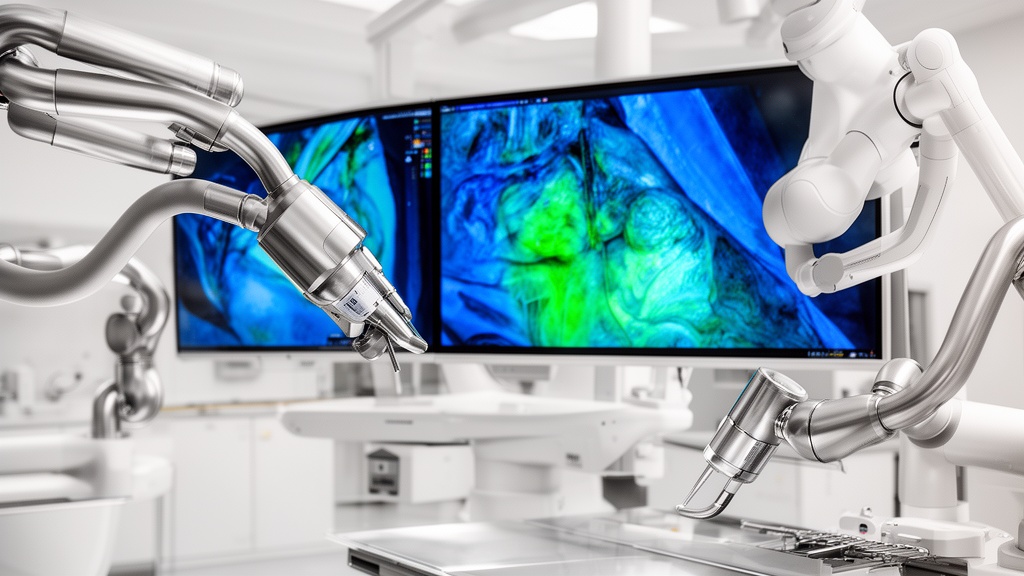
بالنسبة لكثير من الآباء، تذكرنا كلمة "روبوتية" بآلة تعمل بمفردها. في الواقع، الجراحة الروبوتية في طب المسالك البولية للأطفال هي طريقة محكومة جدا بقيادة الإنسان لجراحة ثقب المفتاح. النظام ببساطة يمنح طبيب المسالك البولية الروبوتية للأطفال عيونا أفضل ويدين أفضل داخل الجسم.
الإعداد القياسي يتكون من ثلاثة أجزاء رئيسية:
- ال وحدة تحكم الجراح هو المكان الذي يجلس فيه طبيب المسالك البولية للأطفال. داخل وحدة التحكم توجد شاشة ثلاثية الأبعاد عالية الدقة تعرض رؤية مكبرة لأعضاء الطفل. يضع الجراح أصابعه في وحدات تحكم صغيرة ويستخدم دواسات القدم لضبط الكاميرا ووظائف أخرى. كل حركة من أصابعهم تترجم إلى حركة دقيقة للآلات داخل الطفل.
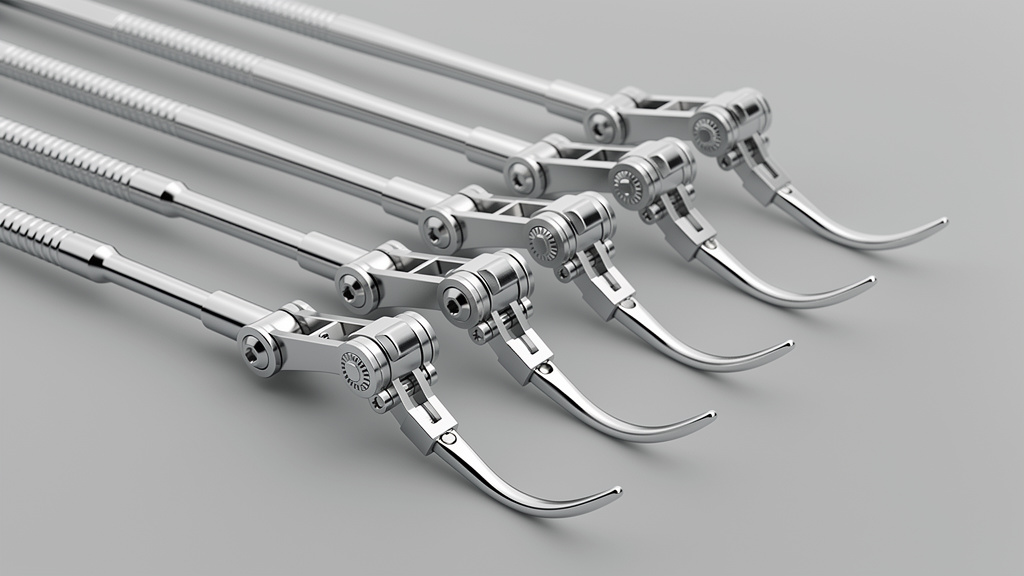
- بجانب سرير الطفل يوجد عربة جانب المريض . هذا يحمل أذرعا روبوتية نحيلة. من خلال جروح صغيرة في البطن، تحمل هذه الأذرع كاميرا صغيرة وأدوات جراحية دقيقة جدا إلى الجسم. نصائح هذه الأدوات تسمى أجهزة إندوميس ، يمكنها الانحناء والدوران بحرية أكبر من معصم الإنسان، ويمكنها العمل في الزوايا الضيقة حيث لا يمكن لليد العادية أن تتسع أبدا.
- الجزء الثالث هو عربة الرؤية ، والتي تحتوي على أنظمة الحاسوب والشاشات التي تربط كل شيء معا. يمكن لفريق العمليات بأكمله رؤية نفس الصورة الواضحة، لذا يبقى الممرضون وأطباء التخدير والمساعدون الجراحيون متزامنين تماما مع طبيب المسالك البولية الروبوتية للأطفال على لوحة التحكم.
تمنح عدة ميزات الجراح مزيدا من التحكيم:
- مقياس الحركة يحول حركات اليد الكبيرة إلى حركات صغيرة ودقيقة عند أطراف الآلات، وهو أمر مهم جدا عند الرضع والأطفال الصغار.
- ترشيح الاهتزازات ينعم المصافحة الطبيعية لليد، بحيث تتحرك الآلات بثبات حتى أثناء الخطوات الطويلة والدقيقة مثل خياطة الغرز الدقيقة.
- أنظمة الأمان توقف الروبوت إذا خرج رأس الجراح من وحدة التحكم أو تركت يداه أدوات التحكم، لذا لا تتحرك الأذرع من تلقاء نفسها.
مقارنة بالجراحة المفتوحة التقليدية، التي تتطلب جرحا كبيرا وتعطي فقط خط رؤية مباشر، جراحة ثقب المفتاح الروبوتية يوفر رؤية قريبة ومضيئة جيدا وإمكانية المرور عبر فتحات صغيرة. في يد طبيب مسالك بولية روبوتية للأطفال ذو خبرة مثل الدكتور سوجيت شوداري، يعني هذا أن العمليات المعقدة على حديثي الولادة والأطفال الأكبر سنا يمكن إجراؤها بدقة ورعاية ملحوظة.
لماذا تختار الجراحة الروبوتية بدلا من الجراحة المفتوحة التقليدية لطفلك؟
عندما يحتاج الطفل إلى عملية جراحية، عادة ما يهتم الوالدان بثلاثة أشياء فوق كل شيء – الأمان، والراحة، ومدى سرعة شعور الحياة بأنها طبيعية مرة أخرى. الجراحة بمساعدة الروبوت في يد طبيب بولية أطفال روبوتي ماهر تتحدث مباشرة إلى الثلاثة جميعا.
فوائد لطفلك
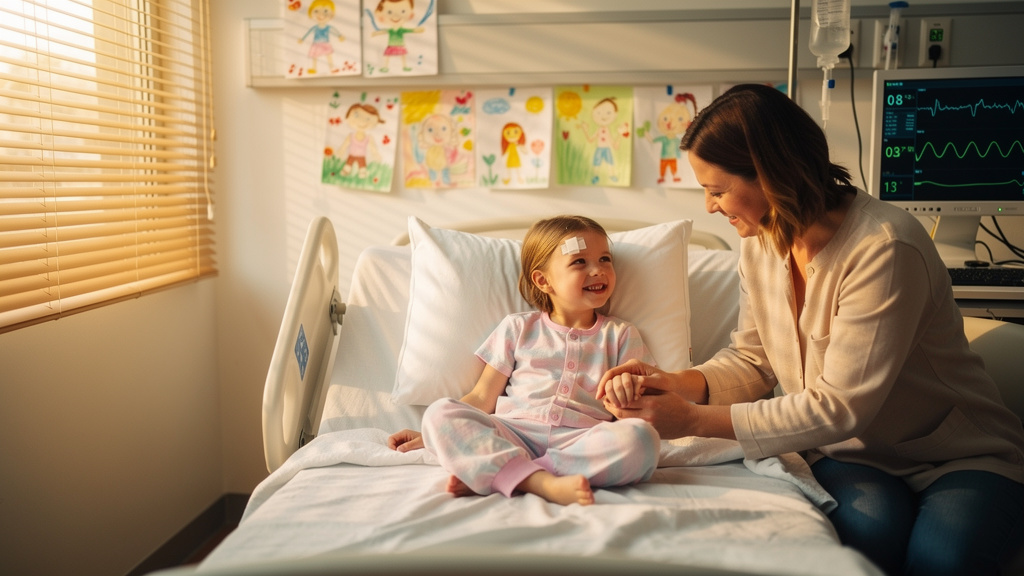
تستخدم الجراحة الروبوتية شقوقا صغيرة في فتحات المفتاح بدلا من شق كبير واحد. تقليل الضرر في الجلد والعضلات يعني ألما أقل بعد الجراحة وحاجة أقل لأدوية الألم القوية. يستطيع العديد من الأطفال الجلوس والأكل والتحرك في وقت أبكر مما يمكن أن يكون ممكنا بعد جرح مفتوح كبير.
تشمل الفوائد الرئيسية لطفلك ما يلي:
- جروح أصغر وألم أقل
- الشقوق الصغيرة تسبب ضررا أقل للأنسجة.
- عادة ما يكون الألم خفيفا إلى متوسطا وأسهل في السيطرة عليه بالأدوية التقليدية.
- نتيجة تجميلية أفضل
- الشقوق الصغيرة تترك علامات أصغر بكثير على الجلد.
- مع نمو الطفل، عادة ما تتلاشى هذه النقاط وغالبا ما يصعب ملاحظتها، مما يساعد على الثقة بالنفس في سنوات المراهقة.
- تقليل الصدمات الداخلية وفقدان الدم
- توفر الكاميرا الروبوتية منظرا قريبا للأوعية الدموية والهياكل الدقيقة.
- يساعد هذا الجراح على حماية الأنسجة السليمة، وتقليل فقدان الدم وتقليل فرص العدوى.
- تعافي أسرع وإقامة أقصر
- ونظرا لأن الجسم يعاني من ضغط أقل، فإن الإقامة في المستشفى عادة ما تكون أقصر.
- يعود العديد من الأطفال إلى منازلهم خلال يوم إلى ثلاثة أيام بعد الجراحة الروبوتية، بدلا من خمسة إلى سبعة أيام بعد الإجراءات المفتوحة.
- يعود معظمهم إلى المدرسة واللعب اللطيف خلال أسبوع إلى أسبوعين، بدلا من عدة أسابيع من النشاط المقيد.
مزايا للجراح تؤدي إلى نتائج أفضل
بالنسبة لطبيب المسالك البولية الروبوتية للأطفال، يوفر النظام عدة مزايا تترجم إلى رعاية أفضل لطفلك:
- A العرض عالي الدقة، ثلاثي الأبعاد، مكبر أما الكلى والحالب والمثانة فتجعل التفاصيل الصغيرة التي يصعب رؤيتها بالعين المجردة أوضح بكثير.
- أجهزة إندوميس يمكنه الانحناء والدوران في الأماكن الضيقة، بحيث يمكن للجراح خياطة غرز دقيقة وتشكيل الأنسجة بدقة، حتى في عمق الحوض.
- الجلوس على وحدة تحكم مريحة يقلل من الإجهاد الجسدي أثناء عمليات إعادة البناء الطويلة. قلة التعب تعني أن الجراح يمكنه البقاء مركزا من أول قطع حتى الغرزة النهائية.
يساعد الجمع بين الرؤية المستقرة، والحركات السلسة، والوضعية الجيدة الجراح على تقديم أفضل أداء لطفلك.
مقارنة بين الجراحة المفتوحة والجراحة الروبوتية
| الجانب | الجراحة المفتوحة التقليدية | الجراحة الروبوتية |
|---|---|---|
| حجم الشق | قطع كبير يبلغ طوله حوالي عشرة إلى خمسة عشر سنتيمترا | فتحات صغيرة عادة أقل من سنتيمتر واحد |
| ألم ما بعد العملية | غالبا ما تكون مهمة | عادة ما تكون خفيفة إلى متوسطة |
| الإقامة في المستشفى | حوالي خمسة إلى سبعة أيام | غالبا ما يكون من يوم إلى ثلاثة أيام |
| فترة التعافي | حوالي أربعة إلى ستة أسابيع | غالبا ما يكون أسبوعا إلى أسبوعين |
| الندوب | ندبة واضحة وطويلة | علامات صغيرة غالبا بالكاد ترى |
| فقدان الدم | متوسط إلى مرتفع | عادة ما تكون منخفضة |
| رؤية الجراح | رؤية مباشرة لكن زاوية محدودة | عرض عالي الدقة ثلاثي الأبعاد مكبر |
بالنسبة للعديد من عمليات الكلى والمثانة المعقدة لدى الأطفال، هذه الفروقات هي السبب في تفضيل الآباء وأطباء الأطفال والجراحين طبيب مسالك بولية للأطفال الروبوتاتي عندما تتوفر الخيار.
ما هي الحالات البولية للأطفال التي تعالج بالجراحة الروبوتية؟
أصبحت الجراحة الروبوتية طريقة مفضلة للعديد من إجراءات الترميم المعقدة لدى الأطفال. دقته ونهجه اللطيف مفيدان بشكل خاص عندما تكون الأعضاء صغيرة جدا، مثل حديثي الولادة والرضع. الدكتور سوجيت شودري لديه خبرة واسعة في استخدام المنصة الروبوتية للرضع والأطفال والمراهقين الذين يعانون من مجموعة من الحالات.
التجميل الحضيضي الروبوتي لانسداد وصلة الإحليل البحيل
انسداد الوصلة الحفري الدرمجي يحدث عندما يكون الأنبوب الذي يصرف البول من الكلية إلى المثانة ضيقا عند نقطة خروجه من الكلية. هذا يؤدي إلى تراكم البول، مما يؤدي إلى استسقاء الكلى ومع مرور الوقت، تلف في الكلى. تقوم عملية تجميل البوبوط الروبوتي بإزالة الجزء الضيق وربط الأطراف السليمة معا لتكوين ممر واسع للبول.
يعتمد نجاح هذه العملية على قطع دقيق جدا وخياطة دقيقة ومحكمة الإغلاق للماء. في الأطفال الرضع والأطفال الصغار، تكون هذه الهياكل صغيرة جدا، ولهذا السبب فإن الرؤية المكبرة والأدوات المرنة للروبوت مفيدة جدا. معدلات النجاح تتجاوز خمسة وتسعين بالمئة في أيدي الخبراء، مع الحفاظ الممتاز على وظائف الكلى. لدى الدكتور شودري سجل قوي في علاج استسقاء الكلى بشكل روبوتي، بما في ذلك جراحة حديثي الولادة ، حيث شاهد الآباء أطفالهم يتعافون جيدا بعد محاولات سابقة مع أطباء آخرين فشلت.
إعادة زرع الحاليل الروبوتية للارتجاع الحاليلي
الارتجاع الحويلي الحلبي هي حالة يتدفق فيها البول للخلف من المثانة نحو الكلى. يحدث هذا عندما لا يعمل الصمام في نقطة دخول الحاب إلى المثانة بشكل صحيح. غالبا ما يعاني الأطفال المصابون بفيروس VUR من التهابات متكررة في المسالك البولية، مما قد يسبب ندبة في الكلى ويؤثر على الوظائف طويلة الأمد.
إعادة زرع الحالبين الروبوتية يتضمن تحريك الحالب إلى موقع جديد في جدار المثانة وإنشاء نفق أطول بحيث يتدفق البول في اتجاه واحد فقط. تجري العملية عميقا في الحوض، وهي منطقة ضيقة يصعب الوصول إليها عبر جرح مفتوح دون التسبب في الكثير من الصدمات الأنسجة. يمنح النهج الآلي طبيب المسالك البولية للأطفال رؤية واضحة ومساحة للعمل، مما يساعده على إنشاء صمام جديد قوي. عادة ما يكون لدى الأطفال إقامة أقصر في المستشفى، وتشنجات مثانة أقل، وألم أقل مقارنة بالطريقة المفتوحة.
استئصال الكلى الجزئي الروبوتي لأورام الكلى
مع ذلك أورام الكلى الأطفال نادرون، فهم جديون. عندما يكون ذلك ممكنا، يهدف الجراحون إلى إزالة الورم فقط مع الحفاظ على صحة بقية الكلى. هذا ما يسمى استئصال الكلى الجزئي . حماية أنسجة الكلى مهمة جدا لصحة الطفل على المدى الطويل.
خلال فترة استئصال الكلى الجزئي بالروبوتات ، يتم تثبيت إمداد الدم إلى الكلى لفترة وجيزة، ويزال الورم بعناية باستخدام هامش صغير من الأنسجة السليمة، ويتم إعادة بناء الكلية المتبقية. يساعد العرض ثلاثي الأبعاد طبيب المسالك البولية الروبوتية للأطفال على رؤية بالضبط أين ينتهي الورم ويبدأ الأنسجة الطبيعية. تسمح الحركات الدقيقة للأدوات بإصلاح سريع ودقيق بحيث يمكن الحفاظ على وقت تثبيت المشبك قصيرا قدر الإمكان، مما يساعد على حماية وظائف الكلى.
هل يواجه طفلك حالة مسالك بولية معقدة؟
الحالات التي تشمل الكلية أو المثانة أو المسالك البولية قد تكون مرهقة للآباء. يقدم طبيب المسالك البولية الروبوتية للأطفال جراحة دقيقة وطفيفة التوغل مع شقوق أصغر، وتعافي أسرع، ونتائج أفضل للأطفال الذين يحتاجون إلى علاج مسالك بولية معقد.
استشر طبيب مسالك بولية روبوتية للأطفالإجراءات إعادة بناء معقدة أخرى
تستخدم المنصة الروبوتية أيضا في مجموعة من المنصات الأخرى عمليات المسالك البولية للأطفال . وتشمل هذه:
- استئصال الكلى الروبوتي ، حيث يتم إزالة كلية تالفة أو غير عاملة والحاب
- استئصال الغدة الكظرية الروبوتية ، حيث يتم إزالة غدة كظرية بها ورم
- إعادة بناء المثانة المعقدة، مثل تكبير مثانة صغيرة أو إنشاء ميتروفانوف قناة لقسطرة نظيفة متقطعة، في الأطفال المختارين بعناية
الدكتور سوجيت شودري يعالج أيضا الحالات مثل الحليل ، حيث يمكن أن يؤدي تورم الشبه بالون في الحالب السفلي إلى انسداد تدفق البول. في الحالات المناسبة، توفر الجراحة الروبوتية طريقة دقيقة لتصحيح الخلل مع الحفاظ على أكبر قدر ممكن من الأنسجة الطبيعية.
الأهمية الحاسمة لخبرة وخبرة جراحك
بينما الأنظمة الروبوتية مثيرة للإعجاب، إلا أنها آمنة وفعالة فقط بقدر الشخص الذي يوجهها. تجربة وحكم طبيب مسالك بولية للأطفال الروبوتاتي هي العوامل الرئيسية التي تشكل نتائج طفلك.
تعلم الجراحة الروبوتية يختلف كثيرا عن تعلم الجراحة المفتوحة. يجب على الجراح العمل من وحدة تحكم بدون لمس مباشر، معتمدا على الإشارات البصرية لفهم شعور الأنسجة ومدى التوتر الآمن على الغرزة. يتطلب ذلك ساعات طويلة من التدريب المنظم على أجهزة المحاكاة، وفي مختبرات المهارات، وتحت إشراف دقيق خلال الحالات الحية المبكرة. هناك منحنى تعلم حاد، ولهذا السبب يجب على الآباء دائما أن يسألوا عن تجربة الجراح مع الأطفال ومع الأنظمة الروبوتية بشكل خاص.
العلامات التي تشير إلى وجود خبير حقيقي تشمل:
- سنوات من الخبرة المركزة في طب المسالك البولية للأطفال ، لذا فقد رأى الجراح حالات شائعة ونادرة
- A ممارسة العدد العالي ، حيث يتم تنفيذ العديد من الحالات الروبوتية كل عام ويكون الفريق بأكمله على دراية بسير العمل
- A سجل أمان قوي ، مثل سجل الدكتور شودري "عدم وجود شكاوى على الإطلاق"، الذي يظهر العناية المستمرة والانتباه للتفاصيل
- الاعتراف من الهيئات المرموقة ، مثل ميدالية جاي باينز، وزمالات الكليات الملكية في المملكة المتحدة والكلية الأمريكية للجراحين، وأكثر من تسعين منشورا محكما
- أسلوب هادئ ولطيف وصبور مع الأطفال والآباء، مما يجعل زيارات العيادة أقل توترا بكثير
"التكنولوجيا لا تجيد إلا الأيدي والعقل الذي يوجهها."
غالبا ما يشارك هذا التذكير بين الجراحين الذين يستخدمون أنظمة متقدمة.
يعمل الدكتور سوجيت شودري أيضا كمعلم سريري وممتحن في الكلية الأمريكية للجراحين، وقد حصل على ميدالية الرئيس الذهبية من كلية الطب للقوات المسلحة. وفي الوقت نفسه، تصفه العائلات بأنه لطيف وسهل الاقتراب، وهذا مهم جدا عندما يكون الطفل قلقا أو خائفا.
في الحالات الصعبة أو عندما تم التوصية بالجراحة في أماكن أخرى، استأجر رأيا ثانيا من شخص ذو خبرة طبيب مسالك بولية للأطفال غالبا ما يكون حكيما. مع عيادات يومية حضورية من الاثنين إلى السبت في مستشفى إندرابراستا أبولو، دلهي، واستشارات عبر الهاتف والفيديو على مدار 24 ساعة، يوفر الدكتور شودري وصولا سهلا إلى هذا المستوى من الخبرة.
الأساطير الشائعة حول الجراحة الروبوتية
من الطبيعي أن تشعر بعدم اليقين تجاه أي طريقة طبية تبدو جديدة، خاصة عندما يتعلق الأمر بالطفل. يمكن أن تسبب العديد من الخرافات حول الجراحة الروبوتية قلقا إضافيا. فهم الحقائق يمكن أن يجعل اتخاذ القرار أسهل بكثير.
الخرافة 1: الروبوت يعمل بشكل مستقل
يتخيل بعض الآباء آلة تعمل بمفردها، مع الجراح واقفا جانبا. في الحقيقة، لا يمكن للنظام الآلي أن يتحرك إلا إذا كان الجراح عند وحدة التحكم ورأسه في مكانه ويداه على أدوات التحكم. كل حركة، من أصغر دوران للإبرة إلى العقدة النهائية، تأتي مباشرة من طبيب المسالك البولية الآلي للأطفال. فحوصات السلامة توقف الذراعين بمجرد أن ينظر الجراح بعيدا أو يرفع يديه.
الخرافة 2: الجراحة المفتوحة أفضل لأن الجراحين يمكنهم الرؤية والشعور مباشرة
بينما تسمح الجراحة المفتوحة بالرؤية واللمس المباشر، تعرض الكاميرا الروبوتية صورة أوضح. يعطي رؤية ثابتة ومضخمة ثلاثية الأبعاد تتيح للجراح رؤية الأعصاب الدقيقة، والأوعية الدموية، ومستويات الأنسجة التي يصعب رؤيتها بالعين المجردة. صحيح أن الجراح يفقد بعض حاسة اللمس، لكن الجراحين الروبوتيين ذوي الخبرة يتعلمون قراءة كيفية حركة الأنسجة وتمدد على الشاشة. الزيادة في الرؤية والسيطرة تعوض أكثر من نقص الإحساس المباشر في معظم عمليات المسالك البولية للأطفال.
الخرافة 3: الجراحة الروبوتية جديدة وتجريبية
روبوتي جراحة المسالك البولية المساعدة وقد تم استخدامه لأكثر من عشرين عاما حول العالم. تمت دراسته في مئات الآلاف من الحالات لدى البالغين والأطفال. بالنسبة للعديد من العمليات، مثل تجميل الحنجرة للأطفال وجراحة البروستاتا لدى البالغين، تعتبر الآن الطريقة القياسية بسبب سجلها القوي في السلامة ونتائجها الجيدة.
الخرافة 4: أي جراح يمكنه إجراء جراحة روبوتية بسهولة
تشغيل نظام روبوتي بشكل جيد ليس بالأمر السهل. يحتاج إلى تدريب إضافي، وممارسة إضافية، وتعلم مستمر يتجاوز التعليم الجراحي العادي. يجب على الجراحين إكمال دورات رسمية، وقضاء ساعات طويلة على أجهزة المحاكاة، وإجراء الحالات المبكرة تحت إشراف مرشدين كبار. فقط مع هذه الخلفية يمكن أن طبيب مسالك بولية للأطفال الروبوتاتي استخدم الجهاز بأقصى إمكانياته لصالح طفلك.
ما الذي يمكن توقعه في عملية الجراحة الروبوتية لطفلك وتعافيه
معرفة ما سيحدث خطوة بخطوة يمكن أن تجعل فكرة الجراحة الروبوتية أقل رعبا بكثير. الدكتور سوجيت شودري ويقود فريقه العائلات خلال كل مرحلة بلغة واضحة وبسيطة.
التحضير قبل العملية
عادة ما تبدأ العملية ب استشارة مفصلة ، سواء عبر الهاتف أو عبر مكالمة فيديو أو شخصيا في مستشفى إندرابراستا أبولو. يستمع الدكتور شودري إلى تاريخ طفلك، ويراجع الفحوصات السابقة، وقد ينصح بالتصوير المتقدم مثل الموجات فوق الصوتية أو الأشعة المقطعية لرؤية الكلى والمسالك البولية بالتفصيل. ثم يشرح التشخيص، ولماذا الجراحة ضرورية أم لا، وما إذا كان النهج الآلي مناسبا. يشجع الآباء على طرح كل سؤال لديهم حتى لا تكون هناك مفاجآت لاحقا.
تشمل الخطوات النموذجية قبل الجراحة:
- الفحص السريري ومراجعة التقارير السابقة
- طلب أي تحاليل دم إضافية أو اختبارات بول أو فحوصات مطلوبة
- مناقشة خيارات العلاج، بما في ذلك إيجابيات وسلبيات الجراحة الروبوتية
- فحص ما قبل التخدير لتقييم اللياقة للجراحة
- تحديد موعد للجراحة وشرح تعليمات الصيام والدواء
يوم الجراحة
في يوم العملية، يتم إدخال طفلك إلى مستشفى أبولو. يستخدم أطباء التخدير طرقا لطيفة وصديقة للأطفال لبدء التخدير حتى لا يخاف الصغار. يجري طبيب المسالك البولية الروبوتي عملية الجراحة عبر جروح صغيرة، عادة ما تستمر من ساعتين إلى أربع ساعات حسب التعقيد. أثناء إجراء العملية، يبقي الفريق أحد الوالدين أو الوصيين على اطلاع بالتقدم حتى لا ينتظروا دون أخبار.
الرعاية الفورية بعد العملية
بعد الجراحة، ينتقل طفلك إلى منطقة التعافي حيث تراقب ممرضات الأطفال المدربات تنفسه ومستوى الألم عن كثب. نظرا لأن الجراحة الروبوتية أقل تدخلا، فعادة ما يتم التحكم في الألم جيدا بالأدوية العادية. في بعض الحالات، قد يكون هناك قسطرة بولية أو تصريف صغير، وسيشرح الفريق ذلك بعبارات بسيطة. يشجع على الحركة اللطيفة المبكرة، مثل الجلوس والمشي القصير، بمجرد أن يكون الأمر آمنا، لأن ذلك يساعد على الشفاء.
التعافي في المنزل
قبل الخروج، تتلقى تعليمات مكتوبة وشفهي واضحة حول العناية بالجروح الصغيرة، والتي غالبا ما تغلق بالغرز المذابة والغراء الواقي. كما تحصل على جدول بسيط لأدوية الألم ونصائح حول النظام الغذائي لتجنب الإمساك. يطلب من الأطفال عادة تجنب اللعب العنيف، والجري، وحمل حقائب المدرسة الثقيلة لمدة أسبوعين إلى ثلاثة أسابيع، لكن يمكنهم العودة إلى الحصص بسرعة كبيرة، وغالبا خلال أسبوع إلى أسبوعين. يتم ترتيب زيارات متابعة وأي فحوصات لفحص الشفاء مسبقا. إذا ظهرت أي مخاوف في المنزل، يمكن للعائلات التواصل مع الدكتور شودري من خلال خدمة الاستشارات التلفزيونية والفيديو التي تستمر 24 ساعة.
"المعلومات الواضحة وسهولة الوصول إلى الفريق بعد الجراحة لا يقل أهمية للآباء مثل العملية نفسها."
العديد من العائلات تشترك في هذا الشعور عندما يخضع طفلهم للعلاج.
الخاتمة
عندما يحتاج الطفل إلى جراحة مسالك بولية معقدة، فإن اختيار الجراح والطريقة يمكن أن يشكل ليس فقط العملية نفسها، بل أيضا راحته وتعافيه وصحة الكلى والمثانة على المدى الطويل. جراحة بمساعدة الروبوت في يد طبيب مسالك بولية روبوتي ماهر للأطفال تقدم مزايا واضحة – جروح أصغر، ألم أقل، فقدان دم أقل، إقامة أقصر في المستشفى، عودة أسرع إلى الحياة الطبيعية ونتائج تجميلية ممتازة. كما يساعد الرؤية المقربة والتحكم الدقيق في الآلات في حماية الهياكل الحيوية والحفاظ على وظيفة الأرغن.
وفي الوقت نفسه، الآلة مجرد أداة. معرفة وحكم ورعاية الجراح عند وحدة التحكم هي ما يحدث فرقا حقيقيا. مع أكثر من خمسة وعشرين عاما من الخبرة في طب المسالك البولية للأطفال، وزمالات عالمية، وجوائز كبرى، وسجل "صفر شكاوى على الإطلاق"، الدكتور سوجيت شودري يبرز كخيار موثوق للعائلات التي تسعى لجراحة روبوتية لأطفالها. يصفه الوالدان بانتظام بأنه طيب، صبور وسهل الحديث معه، وهذا أمر مهم جدا في مثل هذا الوقت الضغوط.
إذا تم إبلاغ طفلك جراحة المسالك البولية ، أو إذا كان لديه حالة مثل استسقاء الكلى، أو VUR، أو حليل الحلب، أو مشكلة خلقية معقدة، لا تحتاج إلى اتخاذ القرار بمفردك. يمكنك حجز استشارة عبر الهاتف أو الفيديو مع الدكتور شودري في أي وقت من اليوم، أو مقابلته شخصيا من الاثنين إلى السبت في مستشفى إندرابراستا أبولو، دلهي. اتخاذ هذه الخطوة يمكن أن يمنحك إجابات واضحة وراحة معرفة أن طفلك في أيد أمينة وخبيرة.
هل يواجه طفلك حالة مسالك بولية معقدة؟
الحالات التي تشمل الكلية أو المثانة أو المسالك البولية قد تكون مرهقة للآباء. يقدم طبيب المسالك البولية الروبوتية للأطفال جراحة دقيقة وطفيفة التوغل مع شقوق أصغر، وتعافي أسرع، ونتائج أفضل للأطفال الذين يحتاجون إلى علاج مسالك بولية معقد.
استشر طبيب مسالك بولية روبوتية للأطفالفي أي عمر يمكن للأطفال الخضوع لجراحة بولية روبوتية؟
يمكن إجراء الجراحة الروبوتية بأمان للأطفال من أي عمر تقريبا، بما في ذلك حديثي الولادة، عند إجراؤها بواسطة طبيب مسالك بولية روبوتية للأطفال ذو خبرة. الدكتور سوجيت شودري يقوم بانتظام بإجراءات روبوتية للأطفال الرضع وقد نجح في إجراء عمليات جراحية على الأطفال الذين لا يتجاوز عمرهم شهرين. يعتمد العمر المناسب على المشكلة المحددة، وشدتها، وصحة الطفل العامة. نظرا لأن الأدوات مصغرة وطريقة السلوك لطيفة، حتى الأطفال الصغار جدا عادة ما يتحملون العملية بشكل جيد. في العديد من الحالات، تساعد الجراحة المبكرة في حماية وظائف الكلى في المستقبل.
كم تستغرق جراحة المسالك البولية الروبوتية للأطفال عادة؟
مدة الجراحة تعتمد على مدى تعقيد الإصلاح المخطط له. الإجراءات الشائعة مثل الروبوت البوجي البوكي عادة ما يستغرق الأمر حوالي ساعتين إلى ثلاث ساعات من أول قطع حتى الغرزة النهائية. قد تستغرق عمليات إعادة البناء الأكثر تعقيدا في المثانة أو الكلى من ثلاث إلى أربع ساعات أو أكثر قليلا. غالبا ما تساعد خبرة الدكتور شودري الواسعة مع النظام الروبوتي في الحفاظ على كفاءة وقت التشغيل دون التسرع في أي خطوة. يتم إبلاغ الآباء قبل وأثناء وبعد العملية حتى يعرفوا ما يحدث طوال اليوم.
هل سيشعر طفلي بألم بعد الجراحة الروبوتية؟
جميع العمليات الجراحية تنطوي على مستوى معين من الانزعاج، لكن الأطفال الذين يخضعون لإجراءات روبوتية عادة ما يشعرون بألم أقل بكثير من أولئك الذين يخضعون لعمليات مفتوحة. الجروح صغيرة والعضلات مقسمة برفق بدلا من أن تكون مقطوعة بشكل واسع، لذا يبلغ معظم الأطفال عن ألم خفيف إلى متوسط فقط. عادة ما يتم التحكم في ذلك جيدا باستخدام أدوية الألم القياسية التي تعطى عن طريق الفم. عادة ما يتحسن الانزعاج بسرعة خلال الأيام القليلة الأولى. يفاجأ العديد من الآباء بمدى راحة طفلهم خلال أربع وعشرين إلى ثمان وأربعين ساعة. قبل الخروج، تحصل على خطة واضحة وسهلة لتخفيف الألم في المنزل.
كم تبلغ تكلفة جراحة المسالك البولية للأطفال الروبوتية وهل تغطيها التأمين؟
تكلفة جراحة المسالك البولية للأطفال الروبوتية يختلف نوع العملية، ومدة بقاء الطفل في المستشفى، وأي فحوصات أو رعاية خاصة مطلوبة. الدكتور سوجيت شودري ملتزم بجعل الرعاية المتقدمة بأكبر قدر ممكن من التكلفة ويناقش التكاليف بصراحة خلال الاستشارة الأولية. تغطي العديد من وثائق التأمين الصحي الهندية الآن الجراحة الروبوتية عندما تكون مطلوبة طبيا وليس تجميلية. فريقه يساعد العائلات في الحصول على التفويض المسبق وأوراق المطالبات حتى تشعر العملية بأنها أقل توترا. في بعض الحالات، يمكن مناقشة خطط الدفع أو خيارات التمويل. أفضل طريقة للحصول على أرقام واضحة لحالة طفلك هي التواصل مباشرة مع عيادته.
ما هي مخاطر أو مضاعفات الجراحة الروبوتية لدى الأطفال؟
كل عملية تحمل بعض المخاطر، سواء كانت مفتوحة أو روبوتية. تشمل المشاكل المحتملة النزيف، العدوى، ردود الفعل على التخدير، ونادرا ما تعرض لإصابة الأعضاء أو الأنسجة المجاورة. ومع ذلك، في العديد من إجراءات المسالك البولية للأطفال، تكون معدلات المضاعفات أقل في الجراحة الروبوتية مقارنة بالطرق المفتوحة لأن الرؤية أفضل والحركات أكثر دقة. سجل الدكتور شودري الطويل دون أي شكاوى يعكس تخطيطا دقيقا واهتماما بالسلامة. قبل الجراحة، يجري تقييما شاملا، ويطلب التصوير المناسب ويناقش جميع المخاطر والفوائد المحتملة بلغة واضحة. المراقبة الدقيقة بعد الجراحة وزيارات المتابعة المخططة تساعد في اكتشاف أي مشاكل مبكرا حتى يمكن التعامل معها بسرعة.
كيف أعرف إذا كان طفلي بحاجة لرؤية طبيب مسالك بولية روبوتية للأطفال تحديدا؟
من الحكمة استشارة طبيب مسالك بولية للأطفال إذا تم تشخيص طفلك باستسقاء الكلى، أو انسداد الوصلة الإحلالية، أو ارتجاع الحاليل الذي قد يحتاج إلى جراحة، أو التهاب الحاليل المتكرر، أو التهابات متكررة في المسالك البولية مع تغيرات في الكلى، أو انسداد وصلة الحالبية الحوضية، أو أورام الكلى، أو أي مشكلة خلقية معقدة في الكلى أو الحالبين أو المثانة. إذا نصح طبيب آخر بالجراحة، فإن رأي ثان من أخصائي في جراحة المسالك البولية الروبوتية للأطفال يمكن أن يساعدك في فهم جميع الخيارات المتاحة. ومن الحكمة أيضا طلب هذه الآراء إذا لم تحسن الأدوية والمراقبة الحالة. الدكتور سوجيت شودري يقدم استشارات عن بعد وفيديو على مدار 24 ساعة حتى تتمكن العائلات من أي جزء من الهند من الحصول على إرشاد متخصص مبكرا، مما يؤدي غالبا إلى رعاية أكثر تخطيطا وأمانا لأطفالهم.