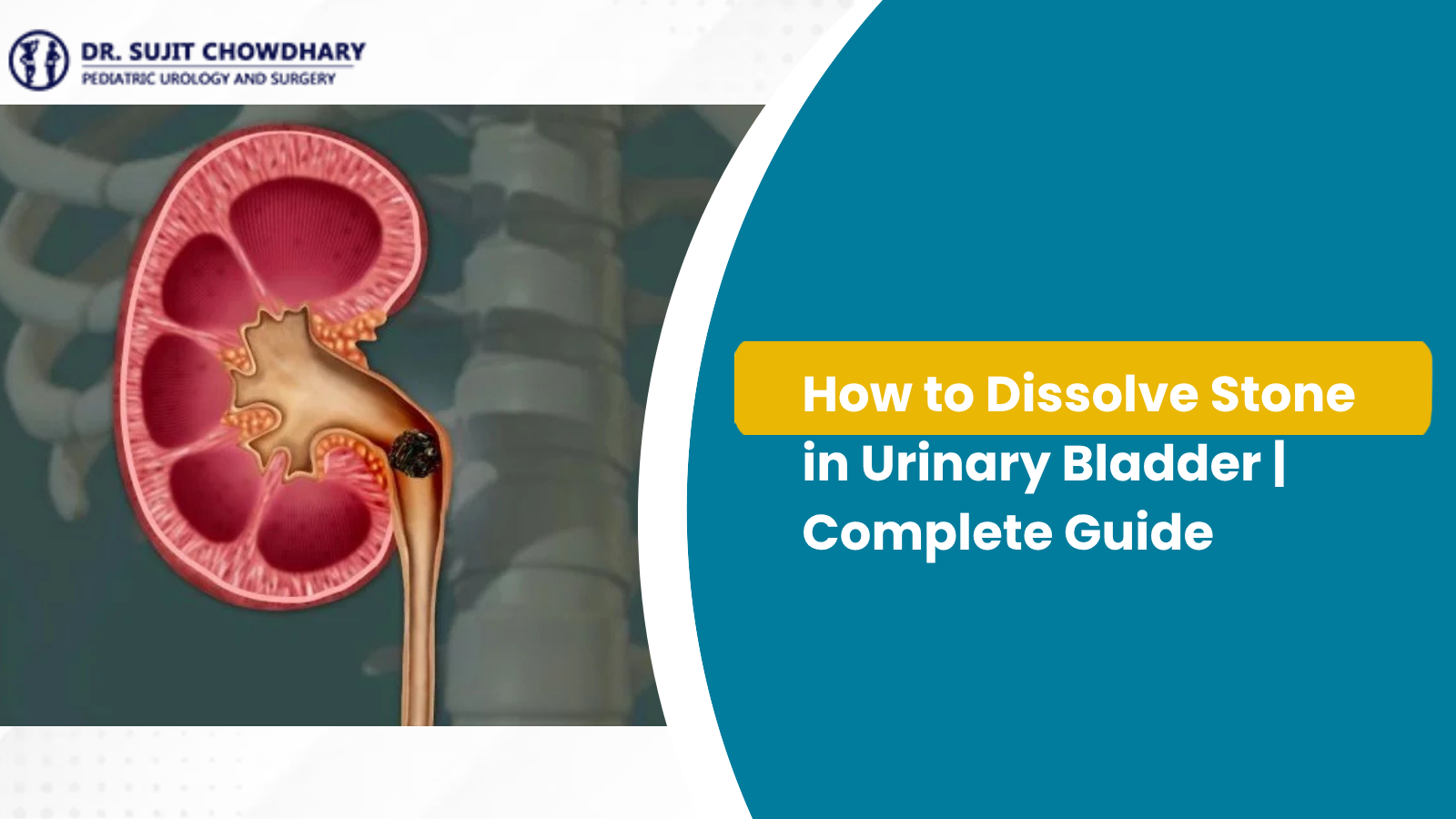
التعامل مع حصوة المثانة في البولية يمكن أن يكون تجربة مزعجة ومقلقة للغاية. إذا تم تشخيصك بهذه الحالة، فمن المحتمل أنك تبحث عن إجابات على كيفية إذابة الحصوة في المثانة البولية أو أكثر الطرق فعالية لإزالتها. لست وحدك في هذه الرحلة، والخبر السار هو أن طب المسالك البولية الحديث يقدم عدة علاجات فعالة للغاية، بدءا من الذوبان الطبي البسيط إلى الخيارات الجراحية المتقدمة.
هذا الدليل الشامل، مستندا إلى خبرة كبار المتخصصين مثل الدكتور سوجيت شودري ، مصممة لترشدك عبر الطرق المختلفة التي يتم بها إدارة حصوات المثانة، مع التركيز على الطرق الطبية غير الجراحية والإجراءات الحديثة المتوفرة اليوم.
فهم حصوات المثانة البولية
حصوات المثانة البولية، المعروفة أيضا باسم حصوات المثانة الحويصلية، هي كتل صلبة من المعادن تتكون في المثانة. عادة ما تتطور عندما لا تفرغ المثانة تماما، مما يؤدي إلى تبلور البول المركز والمحتجز. على عكس حصى الكلى التي غالبا ما تنتقل عبر المسالك البولية، تميل حصوات المثانة لأن تكون نتيجة لحالة كامنة تسبب ركود البول.
الأسباب الشائعة لتكون حصوات المثانة:
- مشاكل البولية الأساسية: السبب الأكثر شيوعا عند الرجال هو تضخم البروستاتا، أو فرط تنسج البروستاتا الحميد (BPH) ، مما يعيق تدفق البول من المثانة. تشمل المشاكل الأخرى المثانة العصبية (تلف الأعصاب الذي يؤثر على وظيفة المثانة)، أو وجود جسم غريب (مثل القسطرة) في المثانة.
- الالتهاب: التهاب المثانة المزمن، الذي غالبا ما يكون بسبب التهابات المسالك البولية المتكررة أو العلاج الإشعاعي، يمكن أن يجعلك عرضة لتكون الحصوات.
- نوع الحجر: تركيب الحجر أمر حاسم. حصوات حمض اليوريك هي النوع الوحيد الذي يمكن إذابته طبيا، بينما الأنواع الأخرى مثل أوكسالات الكالسيوم أو حصى ستروفيت تتطلب دائما إزالة جسدية.
مسألة الذوبان: كيفية إذابة الحصى في المثانة البولية
عندما يسأل المرضى عن كيفية إذابة الحصى في المثانة البولية، يأملون في حل غير جراحي. الواقع هو أن علاج الذوبان الطبي هو خيار عملي فقط لنوع معين من الحصوة: أحجار حمض اليوريك.
استراتيجية الذوبان الطبية لحصى حمض اليوريك
تتكون حصوات حمض اليوريك عندما يكون البول حمضيا باستمرار (درجة حموضة منخفضة). المبدأ وراء الذوبان بسيط: جعل البول أقل حموضة (أكثر قلوية).
- عوامل قلوية: العلاج الأساسي يتضمن تناول الأدوية الفموية، وغالبا ما تكون سترات البوتاسيوم أو بيكربونات الصوديوم. تعمل هذه العوامل على رفع درجة حموضة البول إلى نطاق مستهدف، عادة بين 6.5 و7.0. عند هذا المستوى القلووي، تمنع بلورات حمض اليوريك من التكون ويمكن للحصى الموجودة أن تبدأ ببطء في الذوبان.
- ملاحظة: يجب مراقبة العلاج عن كثب من قبل طبيب المسالك البولية، حيث أن تحقيق والحفاظ على درجة الحموضة الصحيحة في المسالك البولية أمر بالغ الأهمية.
- مدة العلاج: يمكن أن يستغرق الذوبان الكامل عدة أسابيع إلى عدة أشهر، حسب حجم الحجر.
- الترطيب: شرب كميات كبيرة من الماء هو خطوة ضرورية وتكميلية. زيادة تناول السوائل تخفف البول، مما يساعد على طرد شظايا الحجر المذاب ويمنع تكوين الحصى الجديدة.
بالنسبة لجميع أنواع حصى المثانة الشائعة الأخرى—بما في ذلك أكسالات الكالسيوم والستروفيت—فإن الذوبان الطبي غير فعال. تتطلب هذه الحصوات تدخلا جراحيا أو تنظيريا لإزالتها الكاملة.
العلاجات المتقدمة لإزالة حصوات المثانة
عندما تكون الحصوات كبيرة جدا وتحتوي على حمض اليوريك، أو إذا فشل العلاج الطبي، سيوصي طبيب المسالك البولية بإجراء تدخلي. التقنيات الحديثة عادة ما تكون طفيفة التوغل، مما يضمن تعافي أسرع وتقليل المضاعفات مقارنة بالعمليات الجراحية المفتوحة القديمة.
1. المقعد المائي عبر الإحليل
هذه هي الطريقة الأكثر شيوعا وتفضيلا قليلة التوغل لعلاج حصى المثانة.
- الإجراءات: يتم إدخال أنبوب رفيع وصلب يسمى منظار المثانة عبر الإحليل إلى المثانة. مزود منظار المثانة بكاميرا تسمح للجراح برؤية الحصوة.
- التجزئة: بمجرد تحديد مكان الحصى، يتم تمرير جهاز جراحي يسمى الليثوتربتر عبر المنظار. يستخدم هذا الجهاز أشكالا مختلفة من الطاقة — غالبا ليزر هولميوم (هولميوم ليزر Cystolitholapaxy، وهي طريقة شائعة في جراحة حصوات المثانة البولية في الهند) أو موجات فوق صوتية — لتفكيك الحجر إلى شظايا أصغر وأكثر قابلية للتعامل.
- الإزالة: ثم تغسل الشظايا الصغيرة من المثانة باستخدام سائل ري وشفط.
- المزايا: عادة لا يتطلب هذا الإجراء شقوقا خارجية، مما يؤدي إلى إقامة أقصر في المستشفى، وتعافي أسرع، وتقليل الألم بعد العملية.
2. الإصابة المسيلة فوق العانة من خلال الجلد (PCCL)
غالبا ما تستخدم هذه التقنية للحصوات الكبيرة جدا أو الصلبة أو العديدة التي قد يصعب إزالتها بالكامل عبر المسار عبر الإحليل، أو في حالات محددة مثل الأطفال لتجنب تلف الإحليل.
- الإجراءات: يقوم الجراح بعمل شق صغير (أقل من 1 سم) في أسفل البطن، مباشرة فوق عظم العانة، للوصول إلى المثانة. يتم وضع غمد عبر هذه المسار إلى المثانة.
- التجزئة والإزالة: مماثل لطريقة المجرى عبر الإحلال، يستخدم المنظار وجهاز الليثوترابتر لكسر وإزالة الحصوات.
- المزايا: يوفر قناة عمل أكثر مباشرة وأوسع لإزالة الأحمال الحجرية الكبيرة جدا.
3. فتح المثانة المفتوح (الجراحة التقليدية المفتوحة)
يستخدم هذا الآن بشكل أساسي فقط في الحالات المعقدة، مثل تلك التي تحتوي على حصوات كبيرة جدا، أو اضطرابات تشريحية مرتبطة (مثل رتج المثانة الكبير)، أو عندما يخضع المريض لجراحة أخرى في نفس الوقت (مثل استئصال البروستاتا المفتوح).
- الإجراءات: يتم عمل شق أكبر في أسفل البطن لفتح المثانة مباشرة، مما يسمح للجراح بإزالة الحصوات يدويا.
- العيوب: هذا هو الخيار الأكثر تدخلا، حيث يتطلب إقامة أطول في المستشفى وفترة تعافي.
معالجة السبب الجذري: الوقاية هي المفتاح
معالجة الحجر هي نصف المعركة فقط. لمنع عودة البول، وهو أمر شائع، يجب معالجة السبب الكامن وراء ركود البول.
- علاج BPH: بالنسبة للرجال، علاج تضخم البروستاتا (BPH) أمر بالغ الأهمية. قد يشمل ذلك الأدوية أو الإجراءات الجراحية مثل استئصال البروستاتا عبر الإحليل (TURP) أو إجراءات ليزر أحدث مثل إزالة النواة بالليزر هولميوم للبروستاتا ( هوليب )، والتي غالبا ما يمكن إجراؤها في نفس وقت إزالة الحجارة.
- إدارة المثانة العصبية: بالنسبة للمرضى الذين يعانون من مشاكل عصبية، قد تشمل الإدارة المستمرة تقنيات مثل القسطرة الذاتية لضمان تفريغ المثانة بالكامل.
تغييرات في النظام الغذائي ونمط الحياة: النصائح العامة لتقليل خطر الحصوى، بغض النظر عن تركيبها، تشمل الحفاظ على كمية عالية من السوائل (مع الهدف من الحصول على بول شفاف أو أصفر باهت جدا) وتقليل الملح والبروتين الحيواني الزائد في النظام الغذائي. بالنسبة لأنواع معينة من الأحجار، قد يوصي طبيبك بتغييرات غذائية مخصصة.
نصيحة أخيرة
إذا كنت تشك في وجود حصوة في المثانة أو تم تشخيصك، فإن طلب المشورة الطبية المهنية هو الخطوة الأهم. أطباء المسالك البولية المتخصصون، مثل الدكتور سوجيت شودري يمكنه تشخيص نوع الحصوات بدقة والسبب الكامن ويوفر لك خطة علاج مخصصة. سواء كان الحل لكيفية إذابة الحصوة في المثانة البولية هو الذوبان الطبي أو جراحة ذات الوصول المحدود، يمكنك أن تطمئن إلى أن الراحة والتعافي الكامل في متناول اليد.
السؤال الشائع
س1. هل يمكن إذابة حصى المثانة البولية دون جراحة؟
نعم، يمكن إذابة أنواع معينة من الحصوات، خاصة حصى حمض اليوريك، باستخدام أدوية مثل سترات البوتاسيوم التي تجعل البول قلويا. ومع ذلك، فإن أنواع أخرى مثل أوكسالات الكالسيوم أو حصى الستروفيت عادة ما تتطلب إزالة جراحية.
س2. كم من الوقت يستغرق إذابة حصوة المثانة؟
يعتمد وقت الذوبان على حجم الحجر وتركيبه. قد تذوب حصى حمض اليوريك الصغيرة خلال بضعة أسابيع إلى أشهر مع الإشراف الطبي المناسب والترطيب.
س3. ما هو أفضل علاج لحصى المثانة؟
يعتمد العلاج على نوع الحصى وحجمها. بينما يمكن إدارة حصوات حمض اليوريك بالأدوية، غالبا ما تحتاج الحصوات الأكبر أو الأكثر صلابة إلى إجراءات طفيفة التوغل مثل جراحة المسيلة عبر الإحليل أو جراحة الليزر بالهولميوم.
س4. هل يمكن أن يساعد شرب الماء في إذابة حصوات المثانة؟
شرب الكثير من الماء يمكن أن يساعد في إزالة الشظايا الصغيرة ومنع تكون حصوات جديدة، لكنه لا يستطيع إذابة معظم أنواع حصوات المثانة الموجودة بمفرده.
س5. كيف يمكنني منع عودة حصوات المثانة؟
لمنع عودة المرض، عالج الأسباب الكامنة مثل تضخم البروستاتا (BPH) أو المثانة العصبية، وحافظ على الترطيب الجيد، واتبع النصائح الغذائية مثل تقليل تناول الملح والبروتين الحيواني.